Professor LIU Jinghua of IEC delivers a lecture on On the Origin and Growth of Civilization at Southern University of Science and Technology (SUSTech) on March 15, 2026.
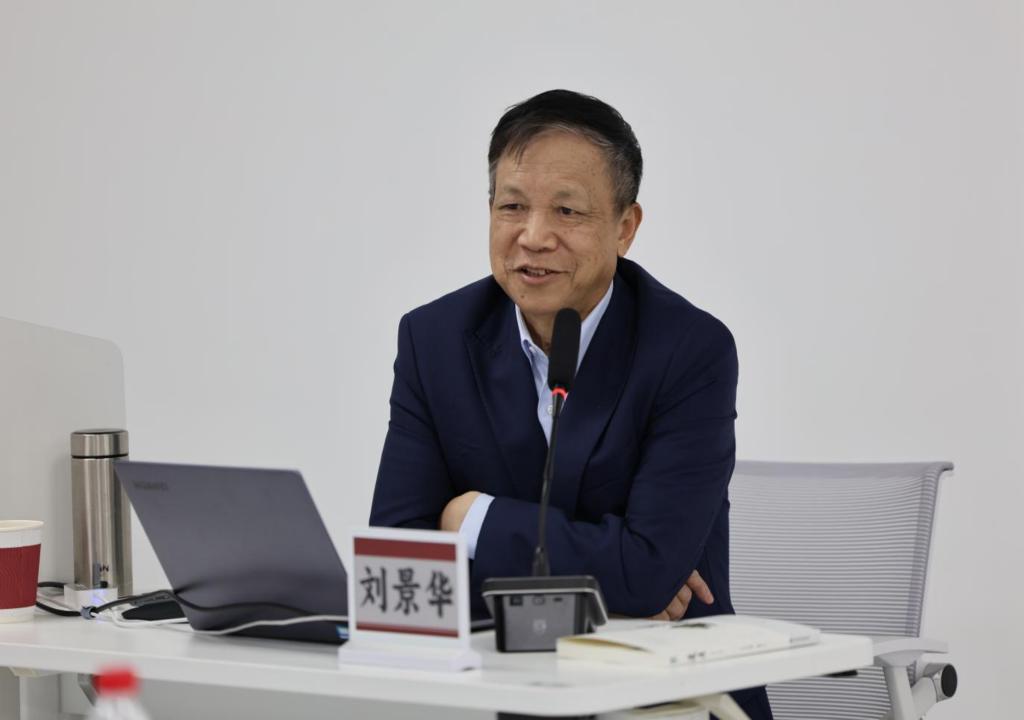
In the lecture, Professor Liu Jinghua provided a systematic exposition of core issues pertaining to civilization. He first clarified the dual connotations of civilization, distinguishing between civilization in the sense of the level of societal development and civilization as a spiritual-cultural system. He proposed that complex social organization and territorial ties constitute the fundamental baseline for the formation of civilization. He delineated the internal logic of six hallmark indicators of civilization—writing, cities, metal tools, private ownership, class, and the state—and divided civilization development into three stages: the emergence of civilization phenomena, the manifestation of civilization conditions, and the formation of civilization society. He underscored that the emergence of the state serves as the ultimate marker for entering civilized society and elucidated the critical distinction between civilization phenomena and civilization society.
Regarding the relationship between the origin of civilization and geographical environment, Professor Liu pointed out that while the agricultural revolution laid the foundation for the birth of civilization, the earliest civilizations did not arise in early dry farming areas but rather emerged along irrigated riverine agricultural belts. Irrigated agriculture necessitated large-scale social organizational coordination, which helped dissolve kinship ties and gave rise to territorial states, thereby revealing the intrinsic connection between natural conditions and the origin of civilization. Concurrently, drawing upon the views of scholars such as Hegel and Montesquieu, he analyzed the formative influence of geographical environment on characteristics of civilization. He opposed geographical determinism while affirming the critical impact of natural conditions on modes of production, lifestyles, and cultural mentality. Through comparisons of civilization differences between East and West and between North and South, he vividly elucidated the logic behind diversity of civilization.
Focusing on the pathways of civilization development, Professor Liu Jinghua proposed that the growth of civilization must address three key dimensions: facing tradition requires distinguishing the essential, the obsolete, and what can be reformed; facing external civilizations demands discernment between beneficial, harmful, and neutral cultural elements while adhering to openness and selective learning based on one's own stance; facing the contemporary era calls for proactive renewal and vigorous creation, with innovation driving sustained civilization progress. Integrating important concepts such as new forms of human civilization and inter-civilization exchange and mutual learning, he emphasized that civilization should maintain openness, dynamism, and innovative qualities, achieving enduring growth through inheriting the essential, integrating the external, and orienting toward the future.
During the interactive session, attendees actively raised questions concerning the demarcation between civilization and culture, the implications of new forms of human civilization, and comparisons between Chinese and Western civilizations. Professor Liu responded to each inquiry by integrating academic research with practical concerns. His insights were profound yet accessible, eliciting a strong resonance among the audience.